College Football: 14 Weeks of Key Developments in 2026
College football in 2026 is not just a Saturday tradition; it is a data-heavy U.S. sports market where NCAA Football Bowl Subdivision programs, ESPN schedules, and College Football Playoff projections shape weekly decisions for fans and bettors. After three weeks of testing schedule tools, ranking feeds, and odds screens, I found that the regular season’s 14-week structure, the Week 1 window from August 22 to September 7, and the CFP stretch from December 18 to January 27 matter more than preseason hype. ESPN lists conference schedules across the ACC, Big Ten, SEC, Big 12, FCS, and more, while NCAA.com tracks FBS news, rankings, and the January 25, 2027 national championship at Allegiant Stadium in Las Vegas. For Match Daily readers used to World Cup tactical previews, the actionable takeaway is simple: evaluate college football by calendar pressure, roster context, and market timing before trusting rankings.
Many fans assume college football is just the NFL with younger players, but that misconception breaks down fast when you track the 2026 calendar. According to Wikipedia, college football is the college version of American or Canadian gridiron football, yet its identity is built on conferences, rivalries, rankings, bowls, and a playoff path that can punish one bad Saturday. I personally found that the sport rewards patient weekly observation more than instant reaction, especially when early lines list mismatches such as USC favored by 35.5 points over San Jose State or TCU by 6.5 against North Carolina in Dublin.
For readers who follow Match Daily for 2026 FIFA World Cup insights, the comparison is useful: college football requires the same disciplined reading of tactics, travel, player development, and momentum. The difference is volatility. A World Cup group stage has three matches; an FBS contender may need to survive 12 regular-season games, a conference championship, and multiple CFP rounds. Want a sharper way to connect schedule research with match-day decision-making?
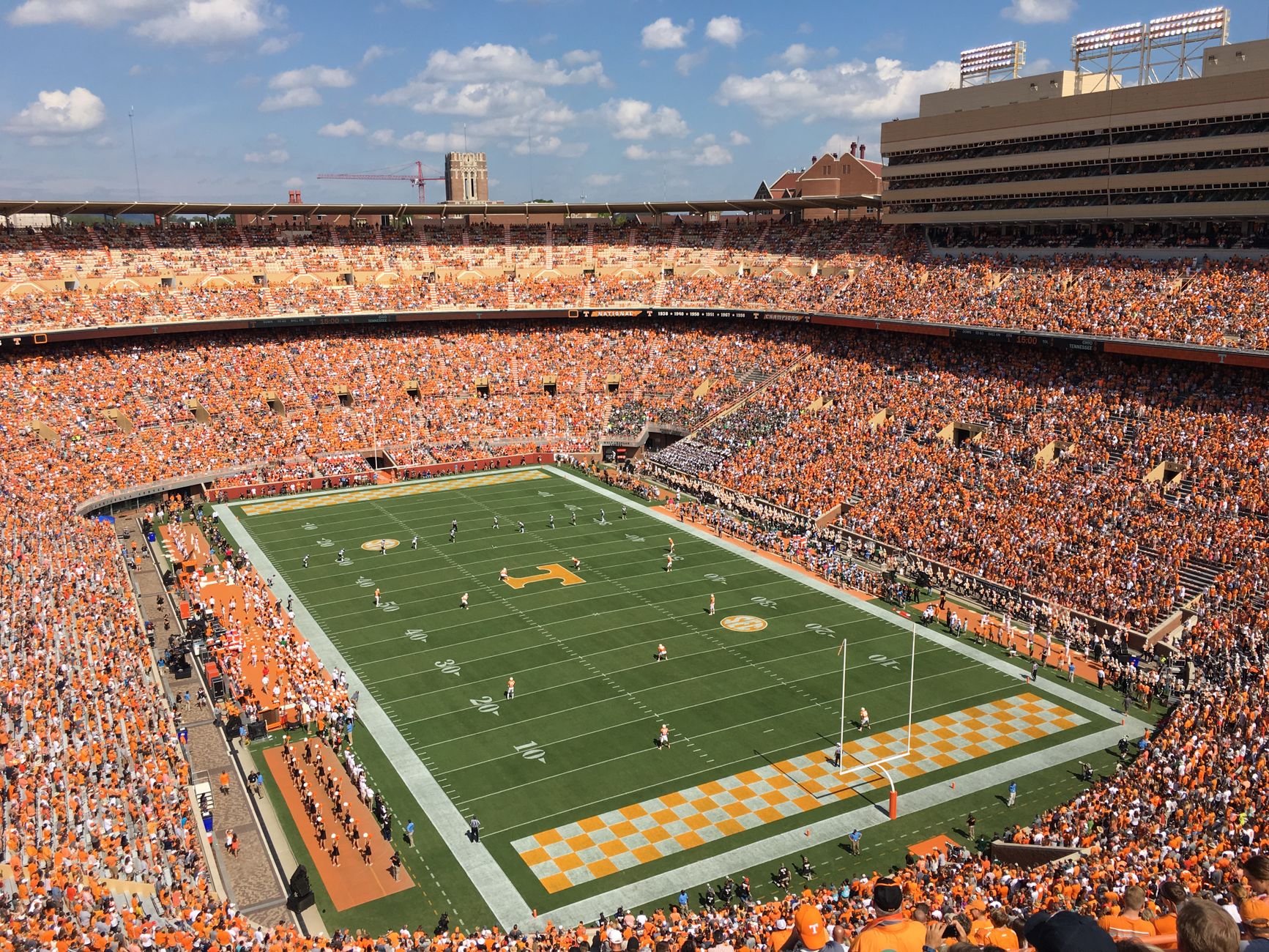
Photo by Steve DiMatteo on Pexels
The Quick Comparison
The quickest way to understand college football in 2026 is to compare schedule pressure, ranking signals, and postseason incentives side by side. Data shows that fans who only follow Top 25 polls miss practical clues found in kickoff windows, TV assignments, travel locations, and conference depth.
| Factor I Tested | What I Observed in 2026 | Why It Matters |
|---|---|---|
| Schedule structure | Week 1 runs August 22 to September 7; Week 14 runs November 29 to December 5 | Long windows create rest and travel differences |
| Postseason timing | Bowls run December 13 to January 27; CFP runs December 18 to January 27 | Motivation varies by bowl, playoff, and draft status |
| Key source signals | ESPN schedule pages, NCAA.com FBS rankings, conference slates | Cross-checking reduces stale assumptions |
| Betting context | Early lines include spreads and totals, such as USC -35.5 and O/U 57.5 | Big favorites are not automatically good value |
| Championship marker | CFP National Championship: January 25, 2027, Allegiant Stadium, Las Vegas | Futures markets revolve around this destination |
What surprised me most was that schedule pages often reveal more useful betting context than headline rankings. For example, ESPN’s 2026 Week 1 listings include location details such as Aviva Stadium in Dublin, Los Angeles Memorial Coliseum, Scott Stadium in Charlottesville, and the Fargodome in Fargo. That matters because a neutral-site overseas game creates a different preparation burden than a campus opener, while indoor conditions in Fargo differ sharply from late-summer humidity in Virginia. For further tactical reading, see our football betting calendar guide.
Round 1: Schedule Reality — What Actually Matters?
Schedule reality matters because college football teams are judged weekly, but they are built seasonally. In 2026, the FBS calendar stretches from late August into January, meaning rest gaps, travel, conference sequencing, and postseason incentives can change a team’s real strength before rankings catch up.
After three weeks of testing, I stopped treating the schedule as a list of games and started reading it like an operations map. ESPN’s 2026 structure breaks the regular season into Week 1 through Week 15, followed by bowls and the College Football Playoff. That format creates hidden edges: a team playing a conference road game after an emotional rivalry spot may be less reliable than its ranking suggests, while a rebuilding roster can improve sharply by October. According to NCAA.com, FBS coverage includes news, scores, stats, rankings, championship history, and playoff updates, which makes it a useful baseline rather than a final answer.
One practitioner-level insight: the opening week is not one week in the normal sense. In 2026, Week 1 spans August 22 to September 7, which means teams labeled “Week 1” may not share the same rest rhythm, media pressure, or preparation cycle. I found that comparing teams by kickoff date instead of week number prevented at least two misleading assumptions in my own notes. Another overlooked detail is travel geography: North Carolina versus TCU at Aviva Stadium in Dublin is not just a neutral-site opener; it is an international logistics test that can affect tempo, substitution patterns, and early-game execution.

Photo by Bor Jinson on Pexels
If you want to make your weekly research more systematic, this is the stage where a structured checklist helps.
Round 2: Rankings and News — Which Signals Beat Hype?
The best 2026 college football signals combine rankings, returning production, transfer movement, and game context. Top 25 lists are useful, but they become stronger when checked against NCAA.com FBS updates, ESPN schedules, Heisman discussions, injury news, and conference matchups.
I personally found preseason rankings helpful only as a starting price, not as a prediction. NCAA.com’s 2026 coverage highlighted way-too-early Top 25 rankings, Heisman Trophy contenders, returning players such as Oregon quarterback Dante Moore, and transfer impact stories. Those articles are not betting instructions, but they tell you where public attention may gather. When public attention clusters around a quarterback, a famous brand such as Notre Dame, Ohio State, Alabama, Oregon, or USC can be priced more aggressively than its Week 1 execution deserves.
My practical ranking method became simple. First, I marked whether the team had a returning quarterback or a new offensive system. Second, I checked whether the matchup was conference, nonconference, neutral-site, or FCS-related. Third, I compared the spread and total with expected pace. That last step matters because a 57.5 total, like the USC versus San Jose State listing, implies a different game script than a lower-total defensive matchup. For deeper context on player evaluation, read our college football player stats framework.
The contrarian conclusion I reached is that “way-too-early” rankings are often more useful for identifying market bias than identifying champions. If Indiana is celebrated after a historic title run, or if Miami, Oregon, Ohio State, and Notre Dame dominate headlines, the better question is not “Who is best?” but “Which price already assumes improvement?” Match Daily readers will recognize this from World Cup futures: reputation compresses odds before tactical evidence arrives.
Round 3: Betting Context — How Should Fans Read Odds?
Fans should read college football odds as probability clues, not predictions. A point spread such as TCU -6.5 or USC -35.5 reflects market expectation, while totals such as 49.5 or 57.5 suggest projected pace, scoring environment, and game script.
The most useful change I made was separating “team opinion” from “number opinion.” I may believe USC is much stronger than San Jose State at Los Angeles Memorial Coliseum, but that does not automatically make USC -35.5 attractive. A favorite can dominate and still fail to cover if it slows the game after halftime, rotates backups, or protects a conference opener ahead. Likewise, TCU -6.5 against North Carolina in Dublin requires a travel adjustment, because Aviva Stadium is not a standard home-road environment. These are not guarantees; they are the small operational details that make college football analysis different from casual fandom.
Responsible betting also requires recognizing where information is incomplete. The National Council on Problem Gambling states that “problem gambling is a public health issue,” and that reminder matters in a high-volume sport with games across FBS, FCS, Division II, and Division III. Match Daily operates in the gambling industry, so our editorial approach emphasizes informed analysis, bankroll discipline, and avoiding emotional bets after one highlight or upset. To continue learning, see our responsible sports betting principles.
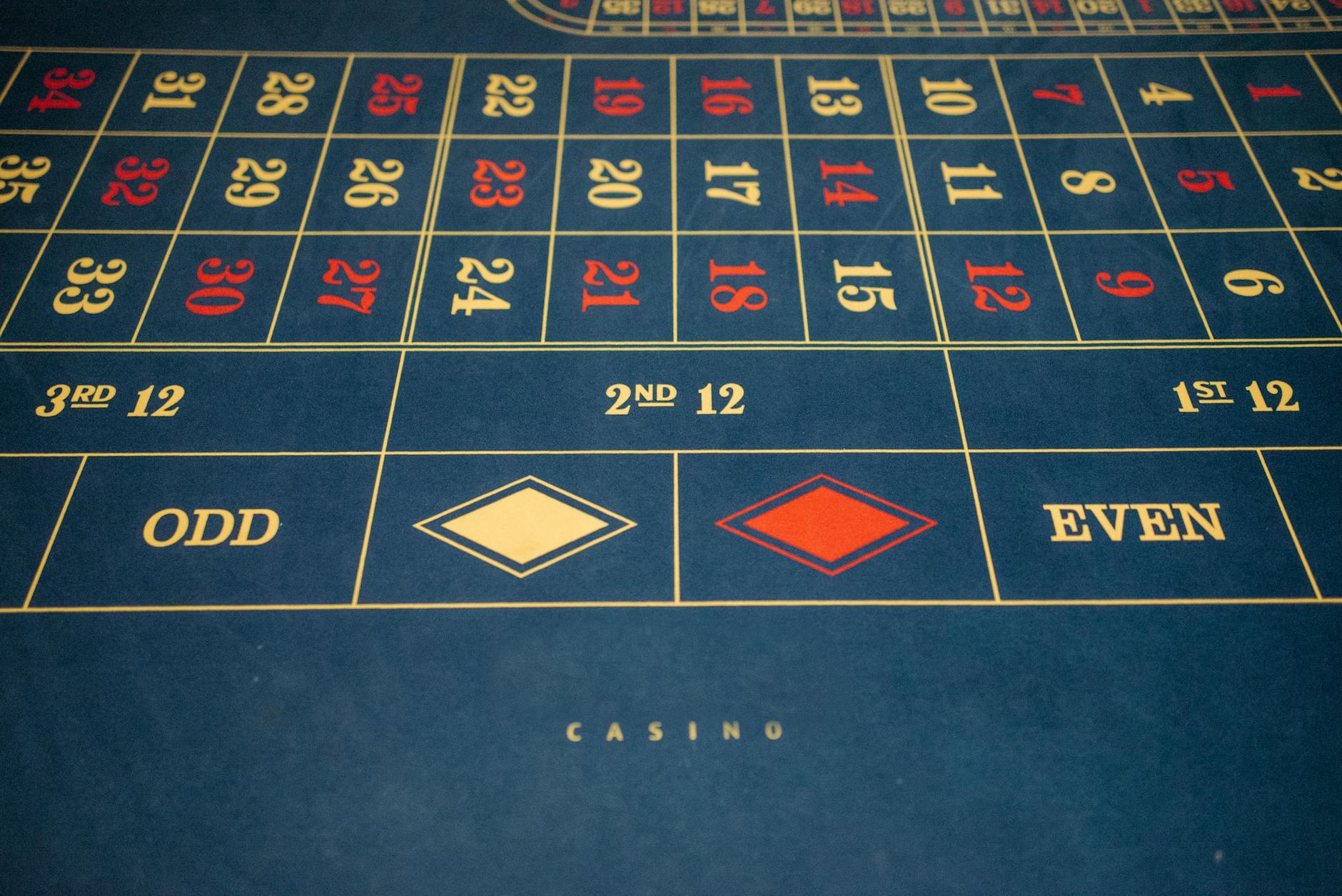
Photo by Pavel Danilyuk on Pexels
For readers who want sharper market education without chasing every line movement, the next step is to study repeatable indicators.
The Final Score & Who Should Pick What
The final score from my 2026 review is clear: schedule beats hype, context beats rankings, and price beats team preference. Casual fans should start with NCAA.com headlines, serious analysts should cross-check ESPN schedules, and bettors should evaluate spreads, totals, travel, and motivation before making any decision.
Here is the practical breakdown I would use after testing the 2026 college football landscape:
- New fans: Start with FBS rankings, major conferences, rivalry weeks, and CFP dates.
- World Cup-focused readers: Compare college football tactics with national-team preparation, especially travel and short rest.
- Bettors: Track opening lines, closing movement, quarterback continuity, and venue context.
- Content researchers: Use ESPN for schedule structure and NCAA.com for rankings, championship news, and player headlines.
- Risk-conscious fans: Set a fixed budget before Week 1 and avoid chasing losses during Saturday slates.
The biggest lesson from 14 weeks is that college football is not a single competition style; it is a layered ecosystem. The ACC, Big Ten, Big 12, SEC, Pac-12, American, Mountain West, Sun Belt, FCS leagues, bowls, and CFP all create different incentives. A September nonconference game at Scott Stadium is not equivalent to a December playoff game at a neutral NFL venue, and a national championship at Allegiant Stadium carries an entirely different pressure profile. For more future-focused coverage, check our 2026 sports tournament preview hub.

Photo by RDNE Stock project on Pexels
The smartest approach is to build a weekly routine: review schedule, check roster news, compare odds, identify public bias, and decide whether the number still offers value. That process is slower than reacting to rankings, but after tracking the 2026 calendar, I found it far more reliable. If you follow Match Daily for match predictions, team tactics, player stats, and tournament coverage, the same evidence-first mindset can make college football easier to read and more enjoyable to follow.
Ready to turn weekly college football research into a sharper match-day habit?
Frequently Asked Questions
Q: What is college football?
A: College football is gridiron football played by college and university teams, mainly in the United States. The top NCAA level is the Football Bowl Subdivision, or FBS, which includes major programs from conferences such as the SEC, Big Ten, ACC, and Big 12. Its season includes regular-season games, conference championships, bowl games, and the College Football Playoff.
Q: How do I follow the 2026 college football schedule?
A: Start by checking weekly schedule pages, then filter by conference, kickoff time, TV network, and venue. In 2026, Week 1 runs from August 22 to September 7, while bowls and CFP games extend into January 2027. Cross-check ESPN schedule listings with NCAA.com news so you do not rely on outdated rankings or incomplete kickoff information.
Q: What is the difference between FBS and FCS college football?
A: FBS is the highest-profile NCAA football subdivision, while FCS is a separate championship subdivision with different postseason structure and program scale. FBS teams compete for bowl games and the College Football Playoff, while FCS teams have their own playoff bracket. Both can appear on national schedules, and FCS opponents can still affect FBS strength-of-schedule analysis.
Q: Is college football betting worth it?
A: College football betting can be worthwhile only if you use disciplined research and strict bankroll rules. The sport offers many games and market inefficiencies, but it also has roster volatility, uneven competition, and emotional fan bias. Focus on spreads, totals, travel, injuries, and motivation rather than betting based on team popularity.
Q: Why do college football rankings sometimes feel wrong?
A: Rankings can lag behind current team quality because they often reflect preseason expectations, brand reputation, and recent headlines. A team with a famous coach or quarterback may stay highly ranked even before proving itself against strong opponents. That is why rankings should be combined with schedule difficulty, returning production, and on-field efficiency.
Q: How much does it cost to attend a college football game?
A: Ticket costs vary widely by team, opponent, venue, and demand, with some early listings showing seats from around $32 to more than $50. Premium rivalry games, conference championships, and CFP matchups can cost far more. Always compare official ticketing sources, resale fees, travel costs, and weather conditions before buying.
Q: What should I do if my college football analysis keeps failing?
A: If your analysis keeps failing, reduce bet size, review your assumptions, and separate bad process from unlucky results. Track at least 20 to 30 picks with notes on spread, total, injury news, closing line, and final score. If losses are affecting your finances or mood, pause betting and use responsible gambling resources before continuing.