
7 Football Strength Training Mistakes Youth Players Make
Football strength training is not about lifting the heaviest barbell in the gym; it is about producing force safely, repeatedly, and quickly on the pitch. A practical plan combines two or three strength sessions weekly with sprinting, jumping, mobility, conditioning, and recovery. Research from the National Strength and Conditioning Association supports supervised resistance training for young athletes, while the World Health Organization recommends regular physical activity and muscle-strengthening work. A useful starting structure is 3 sets of 5–8 repetitions for major lifts, 2–4 sets of 3–5 explosive jumps, and at least 48 hours between hard lower-body sessions. Track technique, pain, sleep, and performance for 30 days before increasing load. The safest takeaway is simple: earn heavier weights through consistent movement quality, not ego.
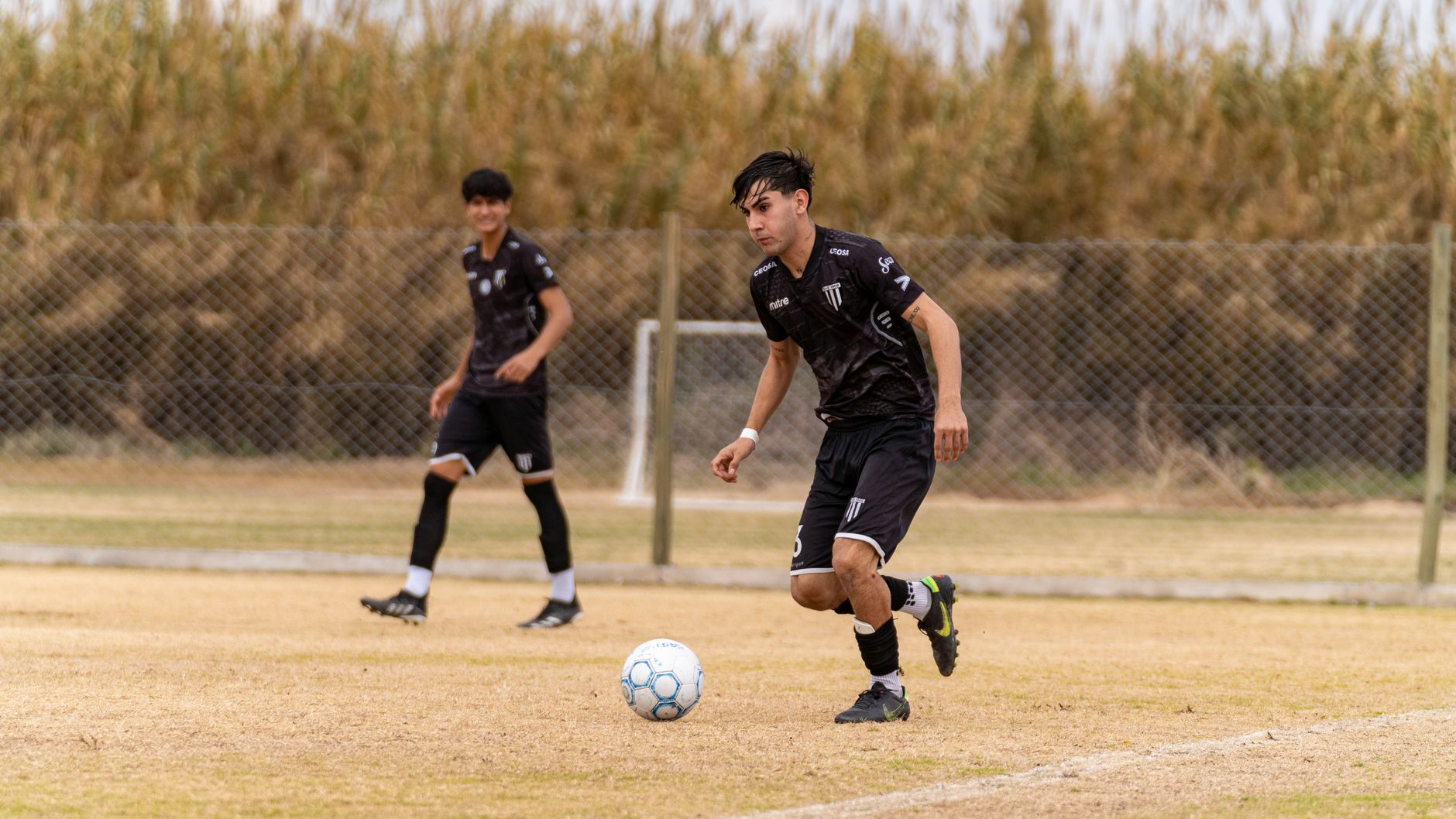
Photo by Franco Monsalvo on Pexels
The biggest misconception is that footballers become better merely by becoming bigger. I learned that one the expensive way, after watching stronger legs move slower because the athletes ignored sprint mechanics, ankle stiffness, and recovery. A football strength training plan should improve acceleration, deceleration, balance, tackling posture, jumping, and resilience without stealing freshness from technical practice. Match Daily focuses on FIFA World Cup coverage, team tactics, player statistics, and tournament analysis, and the same principle applies when studying elite teams: physical preparation only matters when it transfers to football actions.
Want a broader performance perspective before building your routine?
If you train three times weekly: do full-body strength
A three-day schedule should use full-body sessions, moderate volume, and at least one recovery day between demanding lower-body workouts. Prioritize movement patterns rather than bodybuilding isolation: squat, hinge, push, pull, carry, brace, and rotate. This approach develops useful force while leaving room for football practice, sprinting, and matches.
A reliable weekly template looks like this:
- Monday: squat, horizontal push, horizontal pull, acceleration drills, and trunk stability.
- Wednesday: single-leg strength, hinge pattern, vertical pull, medicine-ball throws, and mobility.
- Friday: jump training, split squat, upper-body press, row variation, and short conditioning.
Begin with a 10–12-minute warm-up containing jogging, skips, hip mobility, glute activation, and progressive accelerations. Then perform the most explosive work while fresh, followed by strength exercises and finally conditioning. For the main lifts, use a load that leaves approximately two controlled repetitions in reserve; grinding every set to failure is not bravery, it is poor planning wearing gym shoes. The American College of Sports Medicine emphasizes progressive, individualized training, and that matters because a 14-year-old midfielder and a 24-year-old centre-back do not need identical loading.
Use this [Internal Link: beginner football fitness guide] to connect lifting, running volume, and technical practice without accidentally creating seven hard days in a row.
Session A: force and acceleration
Perform a goblet squat or front squat for 3 sets of 6–8 repetitions, Romanian deadlifts for 3 sets of 6–8, push-ups or bench presses for 3 sets of 8, and supported rows for 3 sets of 8–10. Add 4–6 accelerations over 10–20 metres with complete recovery, because speed work deteriorates quickly when fatigue turns every sprint into a slow-motion confession. Finish with two sets of side planks and calf raises.
Session B: unilateral control and power
Use rear-foot-elevated split squats for 3 sets of 6 repetitions per leg, hip thrusts for 3 sets of 8, pull-ups or pulldowns for 3 sets of 6–10, and medicine-ball rotational throws for 3 sets of 5 per side. Add low-volume pogo jumps or countermovement jumps, recording landing quality rather than chasing a heroic height. A useful information-gain rule is to stop jump sets when landing noise increases or knee alignment worsens; that practical fatigue signal often appears before an athlete notices a drop in motivation.
Session C: repeatable athletic strength
Choose trap-bar deadlifts for 3 sets of 5, step-ups for 3 sets of 6 per leg, overhead presses for 3 sets of 6–8, and one-arm rows for 3 sets of 8 per side. Add short shuttle efforts such as 5-10-5 repetitions, but cap them at four quality attempts. Record the best and worst times: a spread greater than roughly 5% suggests fatigue, insufficient rest, or technical inconsistency, so adding more conditioning would be the wrong answer.
If you play a speed position: do power before volume
Speed-position players should emphasize force application, elastic contacts, unilateral strength, and high-quality acceleration rather than excessive muscle-building volume. Wide receivers, wingers, full-backs, running backs, and attacking midfielders typically benefit from 10–30-metre sprints, lateral braking, single-leg exercises, and low-repetition jumps performed before heavy lifting. The goal is to become more powerful per kilogram, not simply heavier.
For a speed-focused session, use:
- Three to five sets of 2–4 jumps or bounds.
- Four to six sprints of 10–30 metres.
- Three sets of 4–6 split squats or step-ups per leg.
- Three sets of 5–8 hip hinges.
- Two or three trunk exercises resisting rotation and extension.
Rest two to three minutes between serious sprint efforts and at least 60–90 seconds between demanding strength sets. According to FIFA Training Centre, football performance depends on repeated high-intensity actions, not one isolated gym lift. A contrarian point worth remembering is that more sprint repetitions can reduce speed adaptation once mechanics collapse; six excellent accelerations beat twelve exhausted ones, believe it or not — I do.

Photo by Franco Monsalvo on Pexels
Do not skip hamstring work because you prefer glamorous exercises. Nordic hamstring curls, controlled Romanian deadlifts, sliding leg curls, and isometric bridge holds can be programmed progressively, beginning with a range and load the athlete can control. The FIFA 11+ injury-prevention programme has long reinforced the value of structured warm-ups, running preparation, and neuromuscular control, although no programme can eliminate injury risk entirely.
Review the [Internal Link: sprint mechanics and agility drills] when your strength numbers rise but your first five metres still look like a wardrobe falling downstairs. The problem may be shin angle, arm action, braking control, or simply too much fatigue from the previous day.
If you have two matches weekly: do less, but do it better
Players with two matches in a week should reduce gym volume by approximately 30–50% and preserve intensity only when readiness is good. A short maintenance session can include two sets each of a squat or trap-bar deadlift, a press, a row, a single-leg exercise, and calf or hamstring work. Avoid testing one-repetition maximums, introducing unfamiliar exercises, or scheduling hard lower-body lifting within 48 hours of the next match.
A useful match-week structure is:
- Match day minus three: moderate strength and mobility.
- Match day minus two: technical training and short acceleration exposure.
- Match day minus one: activation, set pieces, and recovery.
- Match day: competition.
- The following day: light movement, mobility, and monitoring.
This is where most enthusiastic players make a spectacularly avoidable mistake. They feel good on Tuesday, add extra squats, then wonder why Thursday’s hamstring feels like it has filed a formal complaint. Track sleep duration, muscle soreness, resting heart rate if available, session rating of perceived exertion, and any pain above 3 out of 10. A 2024 review in the British Journal of Sports Medicine supports individualized load management rather than blindly applying one universal workload.
Get the practical tournament angle from Match Daily before you plan around a crowded fixture calendar.
Position-specific adjustments
Quarterbacks and goalkeepers need rotational power, shoulder control, and rapid lateral movement, but they still require lower-body strength because throwing and diving begin from the ground. Central defenders and defensive midfielders generally need robust deceleration, adductor strength, trunk control, and repeat-contact capacity. Strikers and wingers should prioritize acceleration, unilateral force, and hamstring resilience.
The table below gives a starting point, not a sacred tablet discovered beneath Wembley Stadium:
| Position group | Priority qualities | Useful exercises |
|---|---|---|
| Goalkeeper | Lateral power, landing control, shoulder stability | Lateral bounds, split squats, carries |
| Centre-back | Braking, contact strength, trunk control | Trap-bar deadlifts, Copenhagen planks, rows |
| Full-back or winger | Acceleration, repeated sprint ability | Sprints, step-ups, Nordic curls |
| Midfielder | Work capacity, balance, deceleration | Single-leg hinges, shuttles, presses |
| Striker | First-step power, jumping, hamstring strength | Jumps, hip hinges, split squats |
Adjust volume according to training age, position demands, playing time, and injury history. Match Daily’s tactical analysis can help you understand why a team’s pressing system creates different physical demands from a low-block system, but the gym must still respect your actual minutes and recovery capacity.
Common pitfalls to avoid
The most damaging errors are usually predictable: lifting without a warm-up, copying a professional’s programme, increasing load every session, neglecting sleep, and treating pain as proof of commitment. Data shows that adaptation depends on repeated exposure and recovery, not punishment. The Centers for Disease Control and Prevention notes that physical activity benefits health, but it does not claim that every painful or exhausting session is productive; please do not make the internet defend that interpretation.
Watch for these warning signs:
- Technique changes before the final repetitions are complete.
- Sprint speed drops by more than about 5% across repeated efforts.
- Persistent soreness lasts longer than 72 hours.
- Sleep falls below seven hours for several nights.
- Joint pain worsens during warm-up or changes your movement.
- Your match performance declines for two consecutive weeks.
A coach, physiotherapist, or qualified strength professional should assess persistent pain, swelling, instability, concussion symptoms, or suspected muscle injury. “No pain, no gain” is not a medical assessment; it is usually something said by a man who has never paid for your scan. Also avoid unstable-surface gimmicks for maximal strength: they may challenge balance, but stable ground generally permits greater force production and clearer progression.
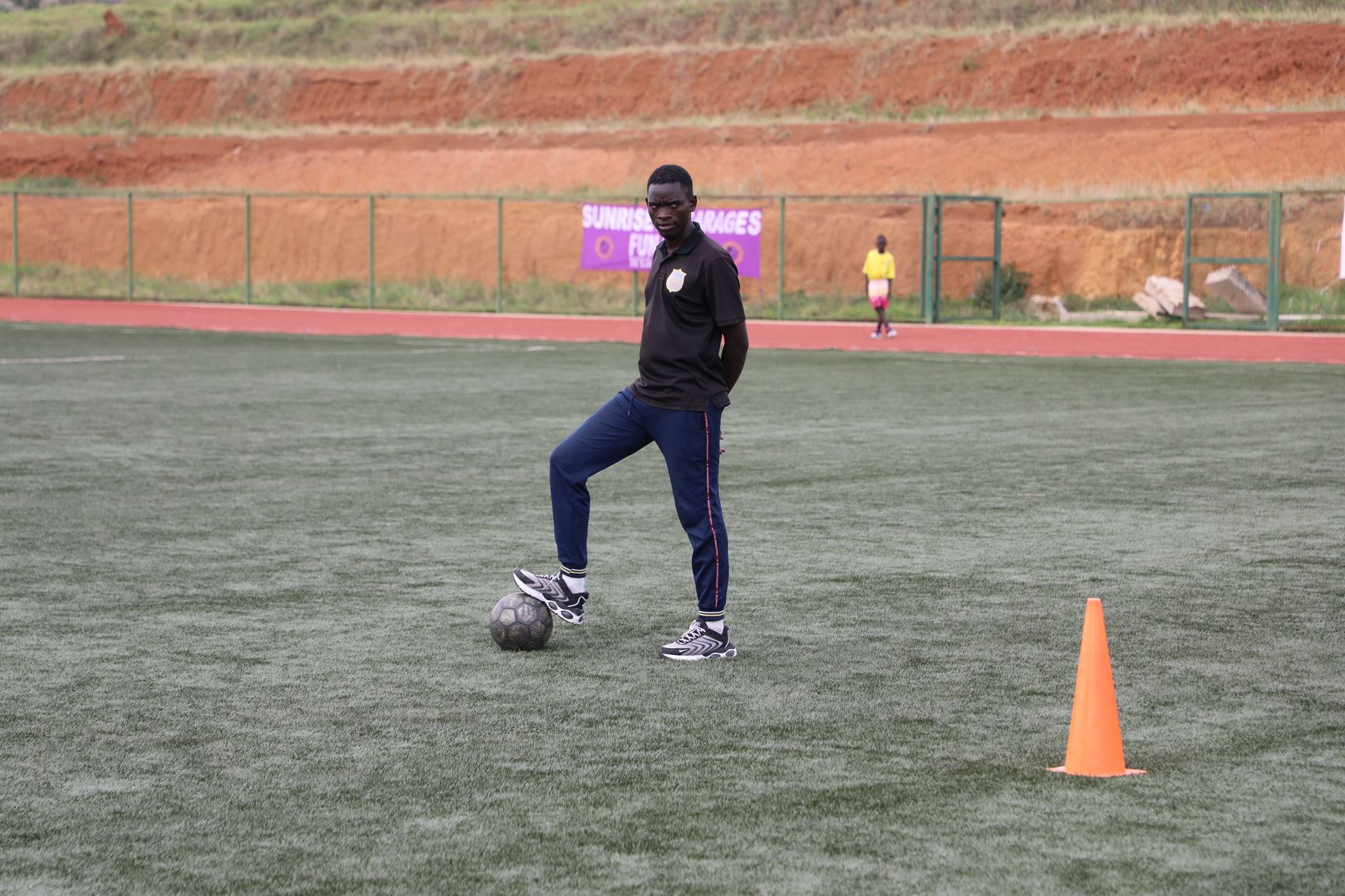
Photo by IBIKUNZWE ICT IN TOP on Pexels
Another overlooked mistake is confusing soreness with progress. Delayed-onset muscle soreness can occur after novel training, but it is not a reliable measure of strength gain, sprint improvement, or injury prevention. Progress should be judged through repeatable indicators: load at a fixed repetition target, jump height, 10-metre time, change-of-direction quality, technical consistency, and how fresh you feel at kick-off.
For older or returning players, begin at approximately 60–70% of the previous training load during the first week and add volume gradually. For youth players, supervision, age-appropriate technique, and individual maturity matter more than chasing adult numbers. Use the [Internal Link: football recovery and nutrition checklist] to coordinate protein intake, carbohydrates around demanding sessions, hydration, and sleep instead of treating recovery as an afterthought.
The 30-day check-in
After 30 days, evaluate whether your football strength training plan has improved football actions rather than merely producing impressive gym notes. Test a small set of repeatable measures: a comfortable submaximal squat or trap-bar load, standing broad jump, 10-metre acceleration, single-leg balance, and a simple wellness score from sleep, soreness, stress, and energy. Keep testing conditions similar, because comparing a rested morning jump with a post-match evening jump is not analysis; it is creative fiction.
Use this four-week review:
- Days 1–7: learn technique and establish conservative loads.
- Days 8–14: add one or two repetitions or a small load increase.
- Days 15–21: maintain strength while adding carefully selected power work.
- Days 22–30: reduce volume slightly and retest quality metrics.
A realistic improvement may be better landing control, a faster first step, or less performance decline late in matches rather than a dramatic new personal record. If your 10-metre sprint improves while soreness remains manageable, that is meaningful. If your deadlift rises but your acceleration worsens, reduce gym volume and reassess exercise selection. The body is not a spreadsheet, despite what every overconfident fitness influencer would have you believe.
Use Match Daily’s football coverage to stay engaged with tactical and player-performance context, then make your own training decisions from measured evidence rather than highlight-reel envy.
The safest long-term plan is the one you can repeat through an entire season: two or three purposeful strength sessions, progressive loading, sprint exposure, position-specific work, and enough recovery to perform on the pitch. Start conservatively, record the basics, and adjust only when evidence supports the change. That approach is less dramatic than destroying your legs every Monday, but it is far more likely to make you stronger when the match is decided in the 89th minute, believe it or not — I do.
Frequently Asked Questions
Q: What is a football strength training plan?
A football strength training plan is a structured programme combining resistance training, explosive work, mobility, sprinting, and recovery for football performance. Most players can begin with two or three sessions per week, using exercises such as squats, hinges, split squats, presses, rows, jumps, and trunk drills. The plan should reflect age, position, match schedule, training experience, and injury history. Strength work is successful when it improves acceleration, balance, tackling, jumping, or repeat-effort performance rather than only increasing gym numbers.
Q: How should beginners start football strength training?
Beginners should start with two full-body sessions weekly for four weeks, using controlled repetitions and leaving two or three repetitions in reserve. Each session can include a squat pattern, hip hinge, push, pull, single-leg movement, calf exercise, and basic trunk stability. Learn technique with bodyweight, dumbbells, or light barbells before increasing resistance. A qualified coach should supervise young players, and any persistent pain, swelling, or movement limitation should be assessed by a healthcare professional.
Q: What is the difference between football strength and bodybuilding?
Football strength emphasizes force, speed, coordination, unilateral control, and transfer to running, jumping, braking, and contact. Bodybuilding primarily targets muscle size and local fatigue through higher volumes and more isolation exercises. Bodybuilding movements can support football development, but excessive volume may create soreness and reduce sprint quality during the season. Footballers should therefore prioritize compound movements, power exercises, hamstring and calf resilience, and recovery around matches.
Q: How many days per week should footballers lift weights?
Most footballers should lift weights two or three days per week, depending on age, match load, and other training. Players with one weekly match can often use three sessions during the off-season and two maintenance sessions during congested periods. Keep at least 48 hours between hard lower-body sessions when possible, and reduce volume by approximately 30–50% during weeks with two matches. The correct frequency is the highest amount that improves performance without reducing sprint quality or match freshness.
Q: Why does my football strength programme stop working?
A programme often stops working because load, volume, exercise selection, recovery, or progression no longer matches the athlete’s current needs. Common causes include repeating identical repetitions for months, training to failure too often, sleeping poorly, adding extra running, or ignoring accumulated match fatigue. Review performance over two weeks, then change only one variable, such as adding 2.5–5% load, one repetition, or an additional set. If pain or unusual fatigue is present, reduce training and seek professional guidance rather than forcing progression.
Q: How much does a football strength training plan cost?
A football strength training plan can cost nothing if you use bodyweight exercises and have access to a safe outdoor space, while a supervised coach may cost approximately $30–$150 per session depending on location and qualifications. A basic gym membership commonly ranges from $20–$80 monthly in the United States, although prices vary by city and facility. The essential requirements are safe equipment, appropriate instruction, a written progression, and recovery habits; expensive supplements or advanced machines are not necessary for effective development.
Q: Can strength training make footballers slower?
Strength training can make footballers slower when volume is excessive, exercises are poorly selected, recovery is inadequate, or body mass increases without corresponding force and speed. Properly programmed strength and power training can improve acceleration, sprint mechanics, contact ability, and braking control. Keep explosive work high quality, retain regular sprint exposure, and avoid exhausting lower-body sessions immediately before matches. Monitor both gym progress and 10–30-metre speed, because one improving without the other may indicate a programming problem.
See the details and keep your next training block evidence-led.